
Before You Rip It Out: The Case for Refinishing Original Woodwork in a Mount Prospect Home
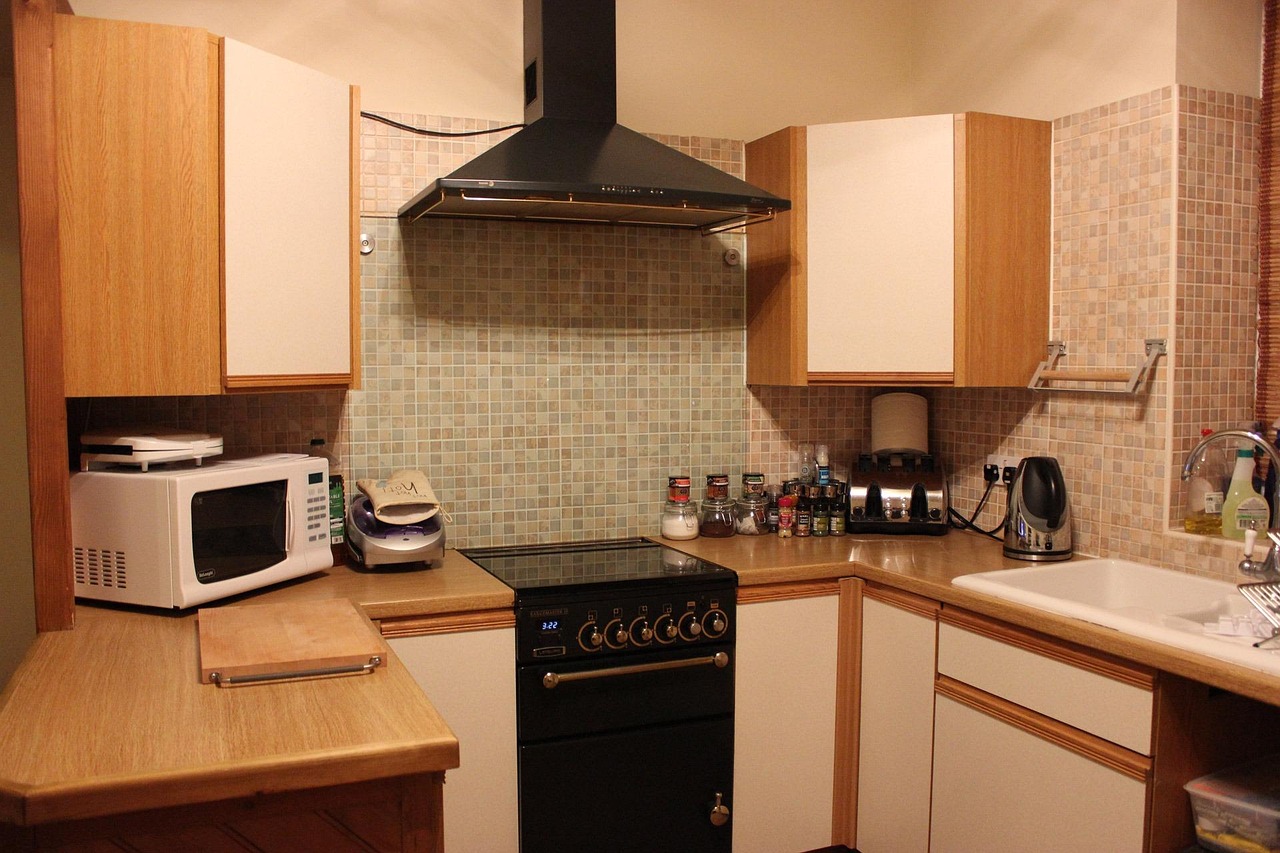
Mount Prospect has a habit that a lot of newer suburbs lack: homeowners who stay put for decades and invest in the house they already have, rather than trading up every few years. That kind of long-term ownership means a lot of the original woodwork in the town's 1950s and '60s bungalows and ranches — built-in china cabinets, solid wood doors, trim, and cabinetry — is still in the house, just tired-looking after fifty-plus years of use. The instinct is often to tear it out and start fresh. But original solid wood, in most cases, is worth saving rather than replacing, and refinishing it is usually the better investment. Local craftsmen like Zurek Construction Mount Prospect handle this kind of restoration work regularly, alongside new cabinetry builds.
Why Original Woodwork Is Usually Worth Keeping
Cabinetry, trim, and built-ins from Mount Prospect's mid-century housing stock were typically made from solid wood — oak, maple, or birch — at a time when that was simply the standard material, not a premium upgrade. Decades later, that solid construction is exactly what makes refinishing a realistic option, in a way that wouldn't be possible with the particleboard and veneer construction common in cheaper cabinetry today.
A few reasons original woodwork deserves a second look before replacement:
- Solid wood can be refinished multiple times. Unlike veneer, which can only be sanded a fraction of a millimeter before it's gone, solid wood can be stripped and refinished repeatedly over its lifetime.
- The joinery is often better than modern budget cabinetry. Cabinets from this era were frequently built with real dovetail drawers and solid frame construction — details that would cost significantly more to replicate new today.
- It preserves the character of an older home. Original built-ins and trim profiles are part of what gives a mid-century bungalow its architectural identity; replacing them with generic modern cabinetry can strip that character out entirely.
- It's typically less expensive than full replacement. Refinishing existing solid wood cabinetry generally costs a fraction of a full custom rebuild, while delivering a dramatically improved appearance.
None of this means every original cabinet is worth saving — some are damaged beyond reasonable repair, or simply don't fit how a household wants to use the space anymore. But it's worth having that piece properly assessed before assuming replacement is the only option.
What Refinishing Actually Involves
Refinishing is a more involved process than a quick sand-and-restain job, especially on cabinetry or built-ins that have accumulated decades of grease, wax, and old finish layers. A proper refinishing project typically includes:
- Stripping the old finish completely. Old lacquer, varnish, or wax buildup needs to come off entirely before new stain or paint can adhere properly.
- Repairing structural issues. Loose joints, damaged veneer edges, or worn hardware mounting points get addressed before any cosmetic work begins.
- Sanding through multiple grits. A proper refinish involves progressively finer sandpaper to prepare the wood surface evenly, rather than one quick pass.
- Staining or painting. Depending on the homeowner's goals, the wood can be restored to its original tone, restained a different color entirely, or painted for a completely updated look while keeping the original solid construction underneath.
- Sealing with a durable topcoat. A modern finish — often more durable than what the piece originally had — protects the wood for years of continued daily use.
The end result can range from a faithful restoration that looks exactly like the piece did when new, to a completely updated look — like a bright painted finish — that keeps the original solid wood construction while giving the room a modern feel.
Refinish, Repair, or Replace? How to Decide
Not every piece of original woodwork is a good refinishing candidate. A few factors that typically determine the right call:
- Water damage and rot. Solid wood that's been structurally compromised by long-term water exposure — common under old kitchen sinks — often can't be saved economically.
- Layout mismatch. If the original cabinetry layout doesn't serve how the household actually wants to use the kitchen or room — not enough storage, poor appliance placement — refinishing the existing boxes won't fix a fundamental layout problem.
- Extent of damage versus cost of new construction. Minor to moderate wear is almost always cheaper to refinish than replace. Severe structural damage may tip the math the other way.
- Whether it's original to the house. Built-ins and trim that are part of a home's original architectural character are usually worth preserving even at a higher refinishing cost, since they can't be replicated exactly with new materials.
A good craftsman will walk through these tradeoffs honestly, rather than defaulting to a full replacement recommendation because it's a larger job.
Blending Refinished Pieces With New Cabinetry
Many Mount Prospect renovation projects end up as a mix — refinishing the pieces worth saving while adding new cabinetry where the layout genuinely needs to change. A few things that make this blend work well:
- Matching stain tones between old and new wood, since different wood species and ages absorb stain differently even with the same product.
- Coordinating hardware across refinished and new pieces so the whole room reads as one cohesive design rather than two mismatched eras.
- Aligning trim and molding profiles on any new cabinetry so it visually ties into the refinished, original woodwork elsewhere in the room.
This hybrid approach often delivers the best of both worlds: preserving the character and value of original solid wood construction, while adding the storage and functionality that a modern household actually needs.
Questions to Ask Before Hiring a Refinishing Specialist
Refinishing work requires a different skill set than building new cabinetry from scratch, so it's worth confirming a shop's experience specifically:
- Do they handle both structural repair and cosmetic refinishing, or only surface-level touch-ups?
- Can they match new stain to existing, aged wood tones rather than working only with fresh lumber?
- Do they have experience with the specific hardware and construction styles common in homes from this era?
A shop like Zurek Construction Mount Prospect, which builds new custom cabinetry and handles furniture and woodwork refinishing throughout the area, is well positioned to make an honest recommendation — whether that's restoring what you already have or building something new to match it.
Final Thoughts
In a town where homeowners tend to stay for decades rather than move every few years, the original woodwork in a Mount Prospect bungalow or ranch often deserves more credit than it gets. Before assuming a tired-looking built-in or cabinet run needs to be torn out, it's worth having it assessed by someone who can tell the difference between wear that refinishing solves and damage that genuinely calls for replacement — the answer is more often the former than most homeowners expect.